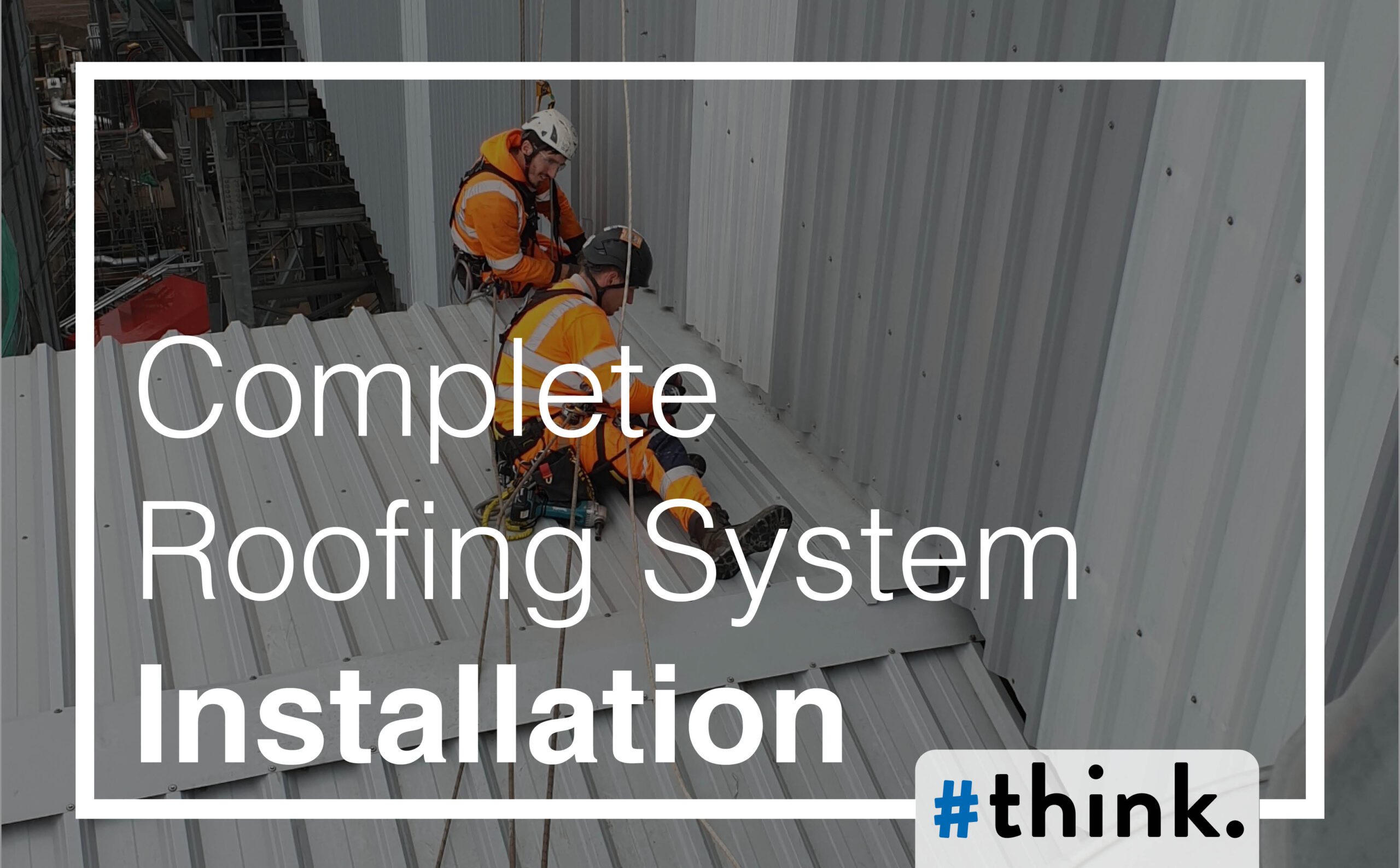
Complete Roofing System Installation: Why Rope Access Delivers Faster, Safer and More Cost‑Effective Results
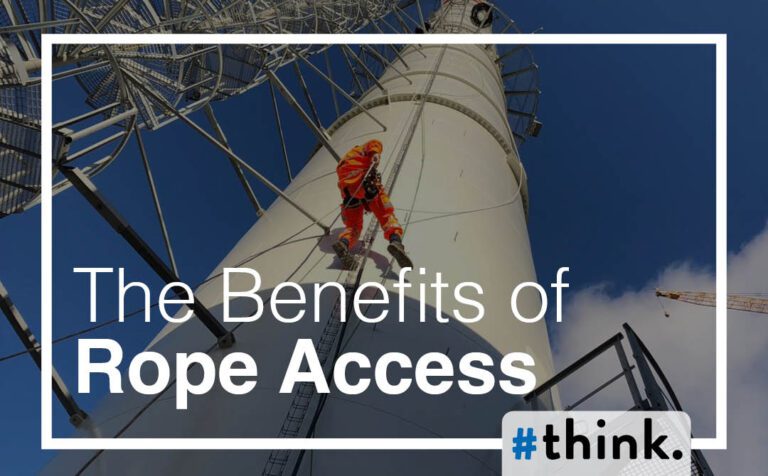
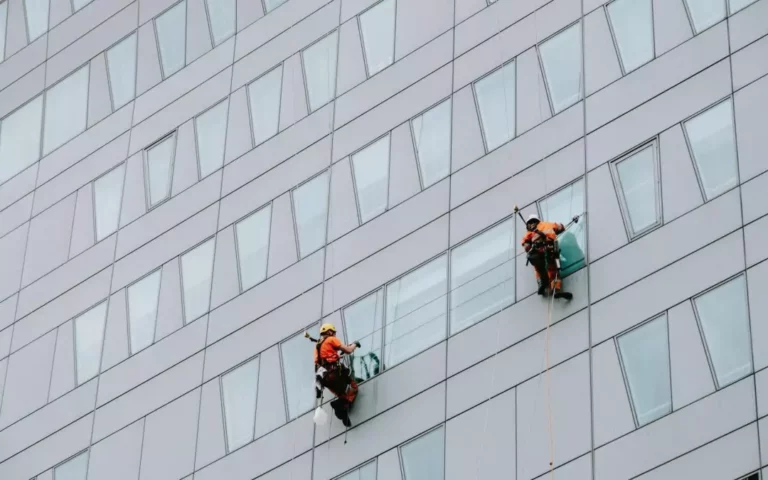
When a building requires a new roofing system metal, tiled or flat the installation process is often slowed down by one thing: access. Traditional methods rely heavily on scaffolding, mobile towers or MEWPs, all of which introduce cost, logistical complexity and project delays. Increasingly, contractors and asset owners are turning to rope access to deliver full roofing system installations more efficiently.
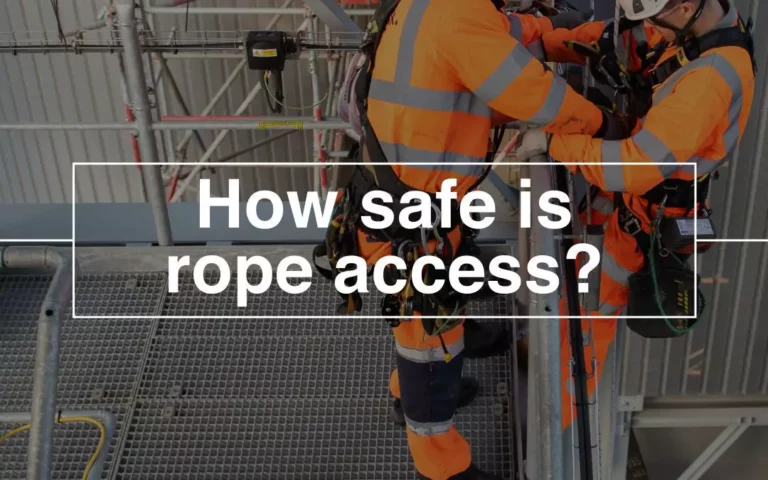
Rope access has become recognised across the UK as one of the safest and most versatile ways to work at height. According to IRATA International, the global authority on industrial rope access, the technique continues to demonstrate an exceptionally low incident rate compared to other methods of access, due to strict training requirements, technician competence levels and robust supervision structures (IRATA, Work and Safety Analysis). When combined with roofing expertise, rope access teams can deliver full system installations complete with fixings, insulation and finishing details swiftly and with minimal disruption to site operations.
In this article, we explore why rope access is often the best method for full roofing system installation and how it helps clients stay compliant with HSE Work at Height Regulations 2005 (WAHR) while maintaining a high standard of workmanship.
Why Rope Access Is Ideal for Roofing System Installations
1. Faster Setup, Faster Completion
Scaffolding can take days or even weeks to design, erect and sign off. Rope access technicians can begin work almost immediately by installing a temporary rope system designed specifically for the building. IRATA’s Code of Practice (ICoP) emphasises the efficiency advantage of rope-based systems, noting their minimal footprint and rapid deployment.
For roofing contracts where time is critical commercial units, schools, logistics centres or ongoing industrial operations this reduced setup window is a major benefit. Work can begin and be completed far sooner, keeping disruption to an absolute minimum.
2. No Need for Large Access Structures
Scaffolding and MEWPs require clear working areas, ground stability assessments and significant space. At busy sites, confined sites or occupied buildings, this can make traditional access impractical.
Rope access offers:
- Zero ground obstruction
- Minimal impact on walkways, deliveries and site operations
- No need for road closures or platform permits
HSE guidance on WAHR places a strong emphasis on choosing the most suitable and least intrusive access method for the task. For roofing installations where structural access is the biggest barrier, rope access provides a compliant, efficient alternative.
Complete System Installation Not Just Surface Work
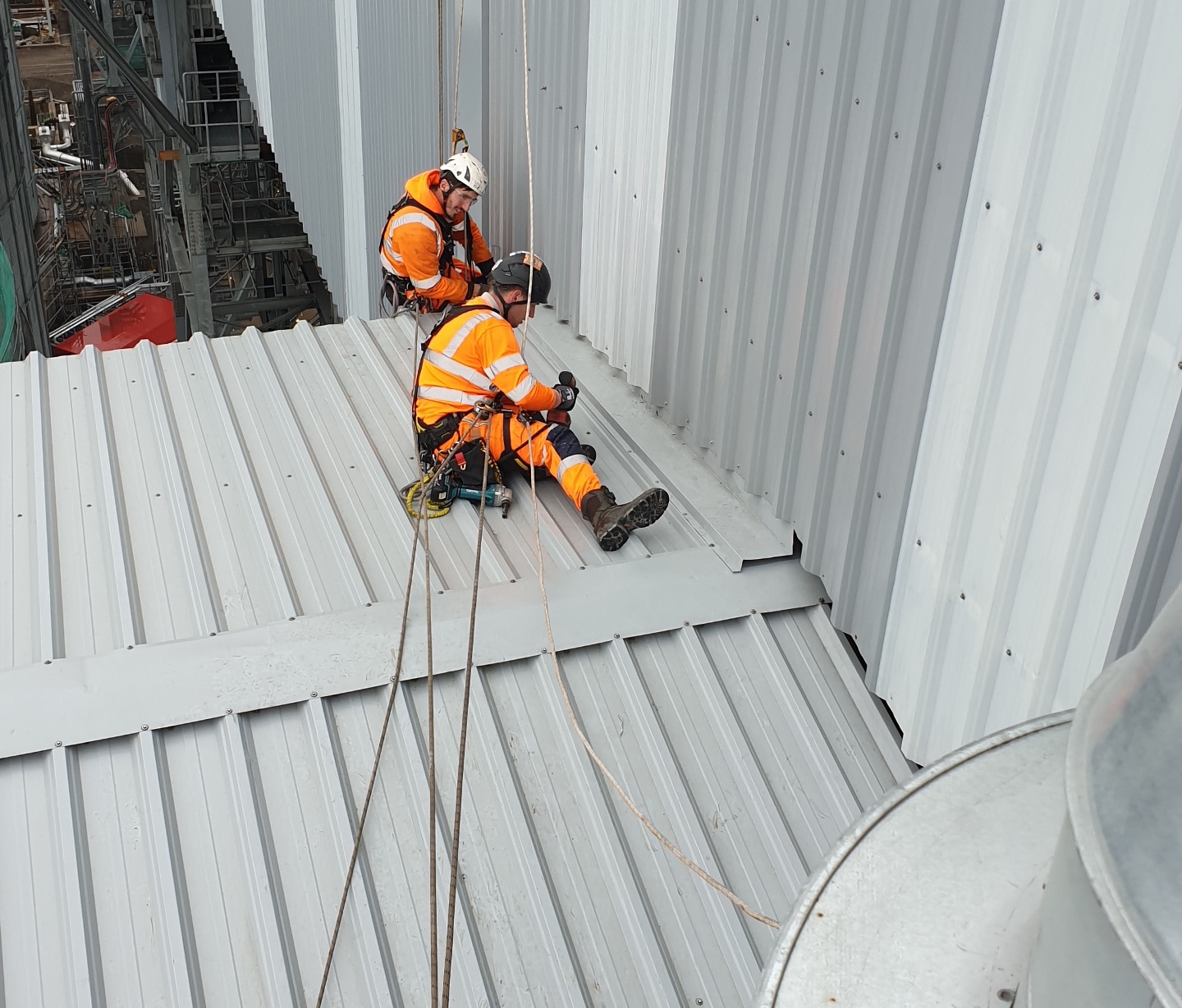
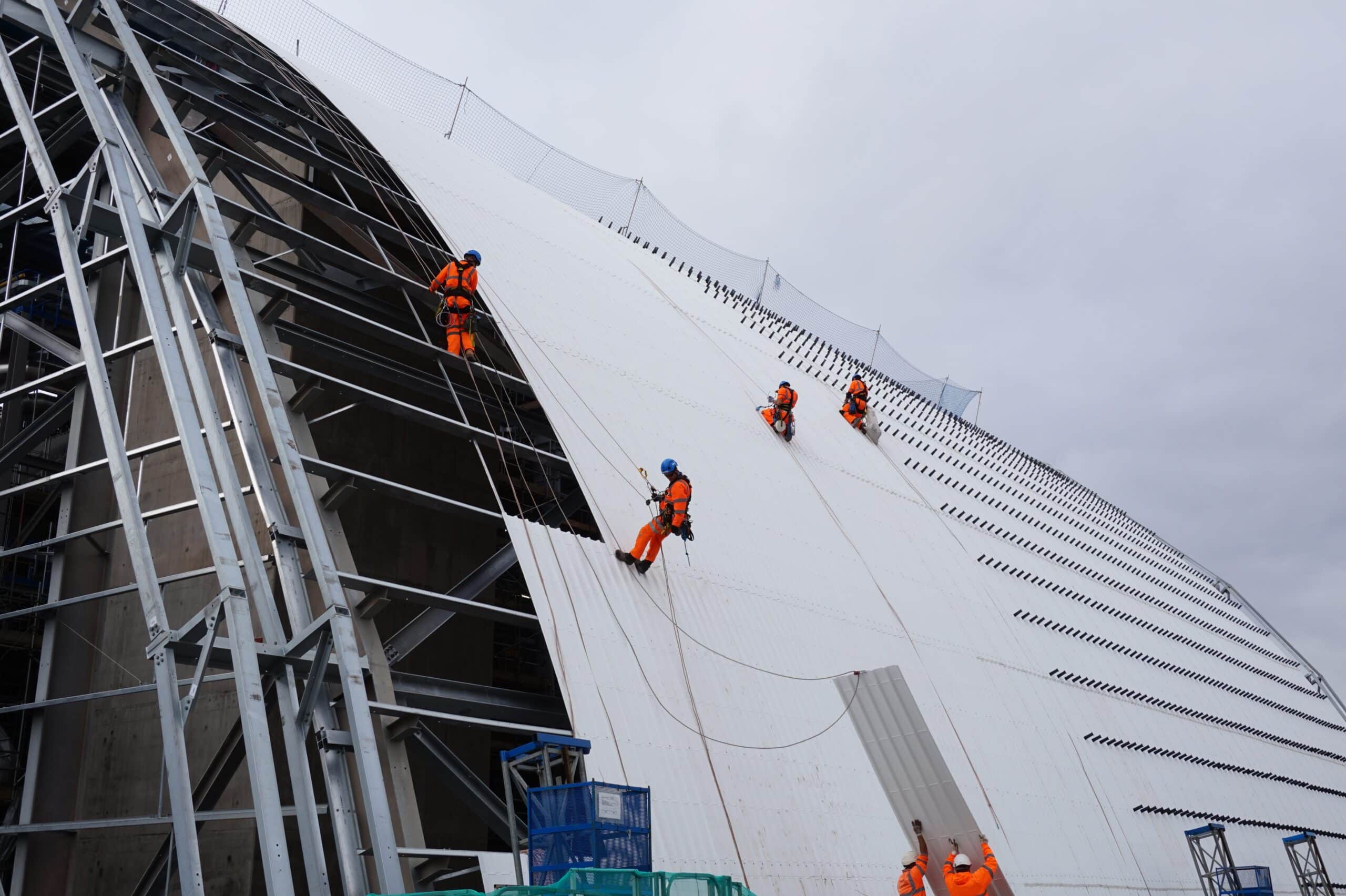
A common misconception is that rope access is mainly suited to inspections or light maintenance. In the hands of specialist technicians, however, it is ideal for complex trades such as roofing.
A full roofing system installation includes:
- Roof deck preparation
- Fixings and sub-structures
- Full insulation installation
- Vapour barriers
- Metal or tiled roofing sheets and components
- Edge details, trims and flashings
- Sealants and weatherproofing
- Anchorage points and fall‑protection integration where required
Rope access technicians experienced in roofing are trained to handle materials safely at height, maintain precision during installation and follow product‑specific manufacturer guidelines.
In many cases, rope access actually improves accuracy, particularly for metal roofing systems, where sheet alignment, fixings and seam detail require meticulous attention.
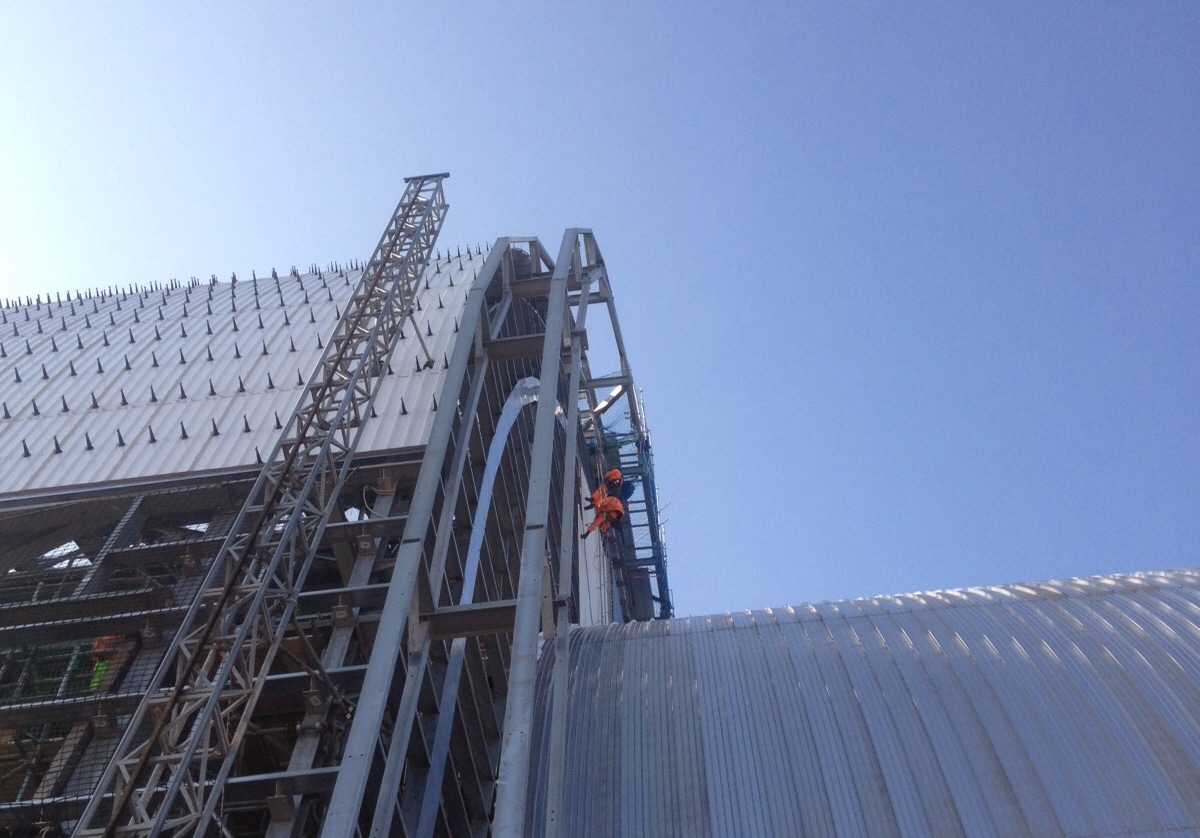
Safety and Compliance: Meeting IRATA and HSE Requirements
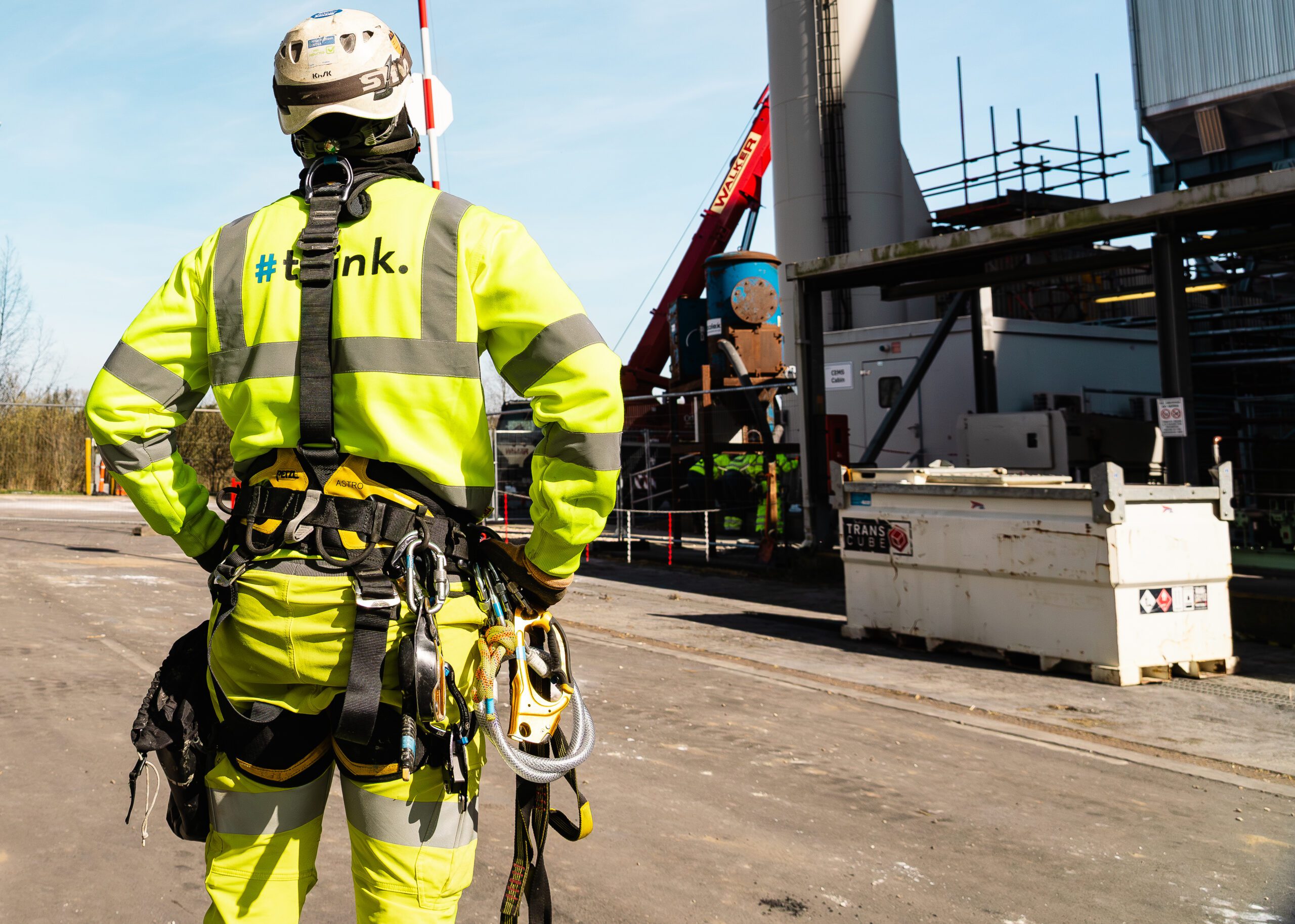
All rope access work carried out in the UK must comply with the expectations of:
- IRATA International Code of Practice (ICoP)
- HSE Work at Height Regulations 2005 (WAHR)
- BS 7985:2013 (Code of Practice for the Use of Rope Access Techniques)
- Construction (Design and Management) Regulations 2015 (CDM)
These frameworks ensure:
- A rigorous system of planning and risk assessment
- Three‑level technician competence structure (Level 1–3)
- Mandatory backup systems and fail‑safe rigging
- Clear rescue plans and supervision
- Safe handling of loads and materials at height
HSE specifically advises that employers must avoid working at height where possible and, when unavoidable, must choose the method that minimises risk. IRATA’s own incident statistics consistently show rope access to be one of the safest access methods available when carried out correctly.
Cost‑Effective Without Compromising Quality
Scaffolding is not only expensive to erect it must remain on site for the entire duration of the project and often beyond, absorbing rental costs. MEWPs introduce fuel, operator, delivery and permit costs.
Rope access eliminates:
- Scaffold hire
- Platform hire
- Long-term structure retention
- Many associated permits and licences
This means clients pay for the work being performed not the access structure holding it up.
Additionally, faster completion reduces project overheads and shortens operational downtime.
Conclusion: A More Efficient Way to Install Roofing Systems
Complete roofing system installations require accuracy, safety and efficiency. By using rope access, clients benefit from:
- Faster project turnaround
- Reduced costs
- Less disruption to site operations
- High-quality installation
- Full compliance with IRATA, HSE and British Standards
Whether replacing metal sheets, installing a flat roof or completing a full system with insulation and flashings, rope access provides a modern, reliable and safe method of delivery without the limitations of traditional access systems.