Emergency Escape Systems for Confined Space via Rope Access.
Think Access installs and deploys temporary emergency escape systems for confined space entry operations using IRATA rope access. We establish safe self-rescue and assisted rescue routes that allow personnel to withdraw rapidly in the event of an incident.
Scope at a glance
System types
Retrieval line · Self-retracting lifeline · Anchor & retrieval systems · Pre-rigged
Capability
Extracts incapacitated casualty · No rescuer entry required · Raises from vessel depth · Through the manway
Process
Designed in pre-entry planning · Rigged & tested before entry · Self-rescue briefing · Tool-box talk
What we do
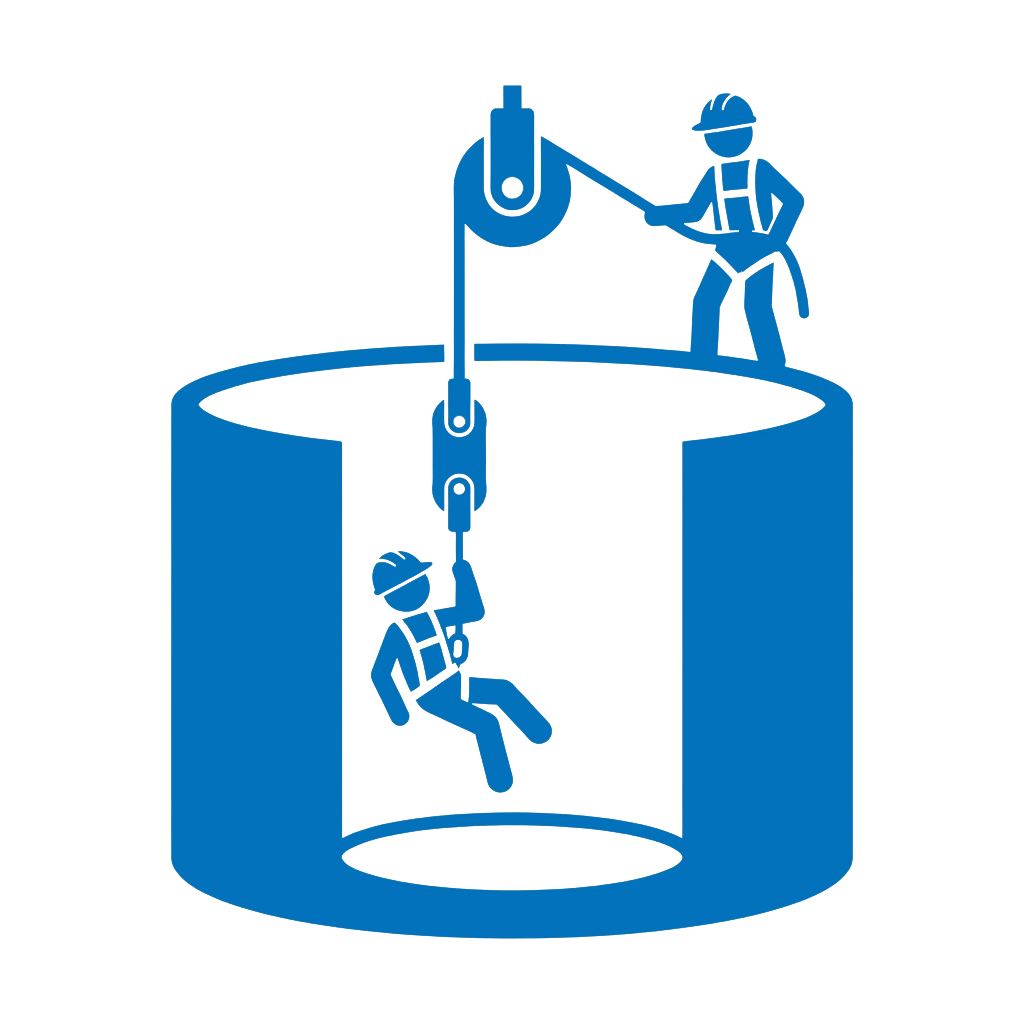
A pre-rigged escape system
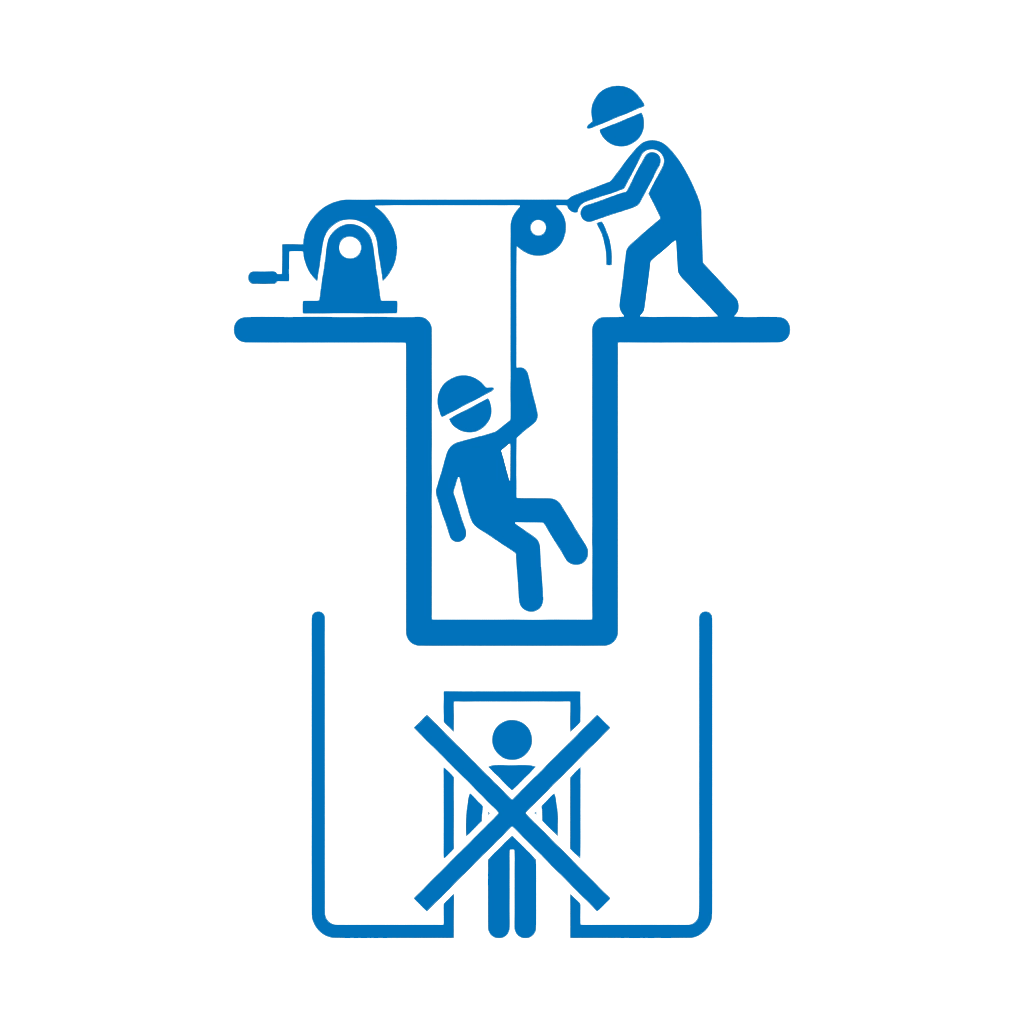
An emergency escape system is a pre-rigged means of rapid withdrawal, in place before any person enters the space. It may be a retrieval line attached to the entry harness, a self-retracting lifeline at the entry point, or a combination of rope access anchor and retrieval systems suited to the geometry of the space.
Rescue without a second entry
The system must be capable of extracting an incapacitated person, one who cannot self-rescue without the rescuer entering the space. For a vertical entry through a manway, that means raising a casualty from the depth of the vessel and out through the manway without a second person having to descend.

Designed into pre-entry planning
We design the escape system as part of the pre-entry planning process, ensuring it is appropriate for the geometry of the space, the depth of entry and the likely emergency scenarios identified for the work.
Why Think Access
Emergency escape from a confined space must work first time, without hesitation. Think Access builds the plan, rigs the system and briefs every team member before the first person enters.
F.A.Q’s

Free survey
Let’s talk about how we can help you get more from your space. Reach out today to book your free site survey, we’ll take care of the rest.
Related Services
Glazing Services
High-level glass installation, replacement and repair — delivered without scaffolding via rope access.
View serviceEdge Protection
EPF-accredited temporary edge protection systems for rooftops, platforms and live construction sites.
View serviceInspection Services
Precision fault-finding and structural inspection at height — identifying issues early with minimal disruption.
View service