Emergency Evacuation Planning for High-Risk Operations.
Think Access develops pre-task rescue plans and emergency evacuation procedures for construction, maintenance and industrial operations at height. We work with principal contractors, CDM coordinators and safety managers to create practical, scenario-specific rescue plans.
Scope at a glance
Plan scope
Emergency scenarios · Rescue method per scenario · Equipment & personnel · Comms & 999 notification
Site assessment
Pre-works site visit · Working positions · Anchor locations · Fall & access scenarios
Deliverables
Written rescue plan · Diagrams & photographs · Rescue drills · Table-top exercises
What we do
A legal requirement, not an option
A rescue plan is not optional for working at height it is a legal requirement under the Work at Height Regulations 2005. An effective plan identifies the potential emergency scenarios, the rescue method for each, the equipment required, the roles and responsibilities of the rescue team, and the communication and emergency services notification procedures.
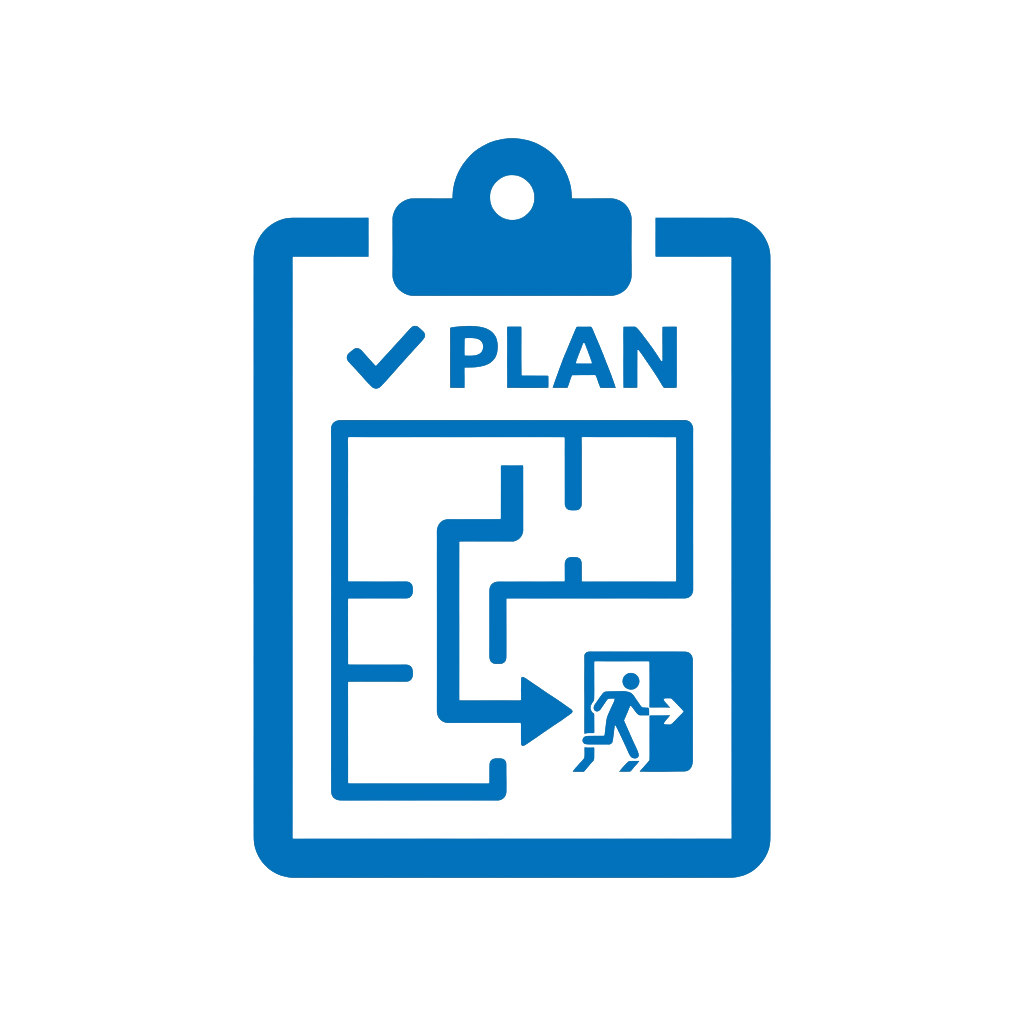
A written, documented plan
Based on that assessment we produce a written rescue plan with diagrams and photographs, identifying the specific rescue method, equipment and personnel required for each credible scenario.
Why Think Access
A good rescue plan is a site-specific, scenario-tested document, not a generic template. Think Access produces rescue plans that actually work for the specific operation they cover.
F.A.Q’s

Free survey
Let’s talk about how we can help you get more from your space. Reach out today to book your free site survey, we’ll take care of the rest.
Related Services
Glazing Services
High-level glass installation, replacement and repair — delivered without scaffolding via rope access.
View serviceEdge Protection
EPF-accredited temporary edge protection systems for rooftops, platforms and live construction sites.
View serviceInspection Services
Precision fault-finding and structural inspection at height — identifying issues early with minimal disruption.
View service