Rope-Based Casualty Retrieval via Rope Access.
Think Access carries out rope-based retrieval of incapacitated personnel from elevated positions, confined spaces and complex structures. Our trained rescue teams recover casualties safely and efficiently using certified equipment and rehearsed procedures.
Scope at a glance
Retrieval scenarios
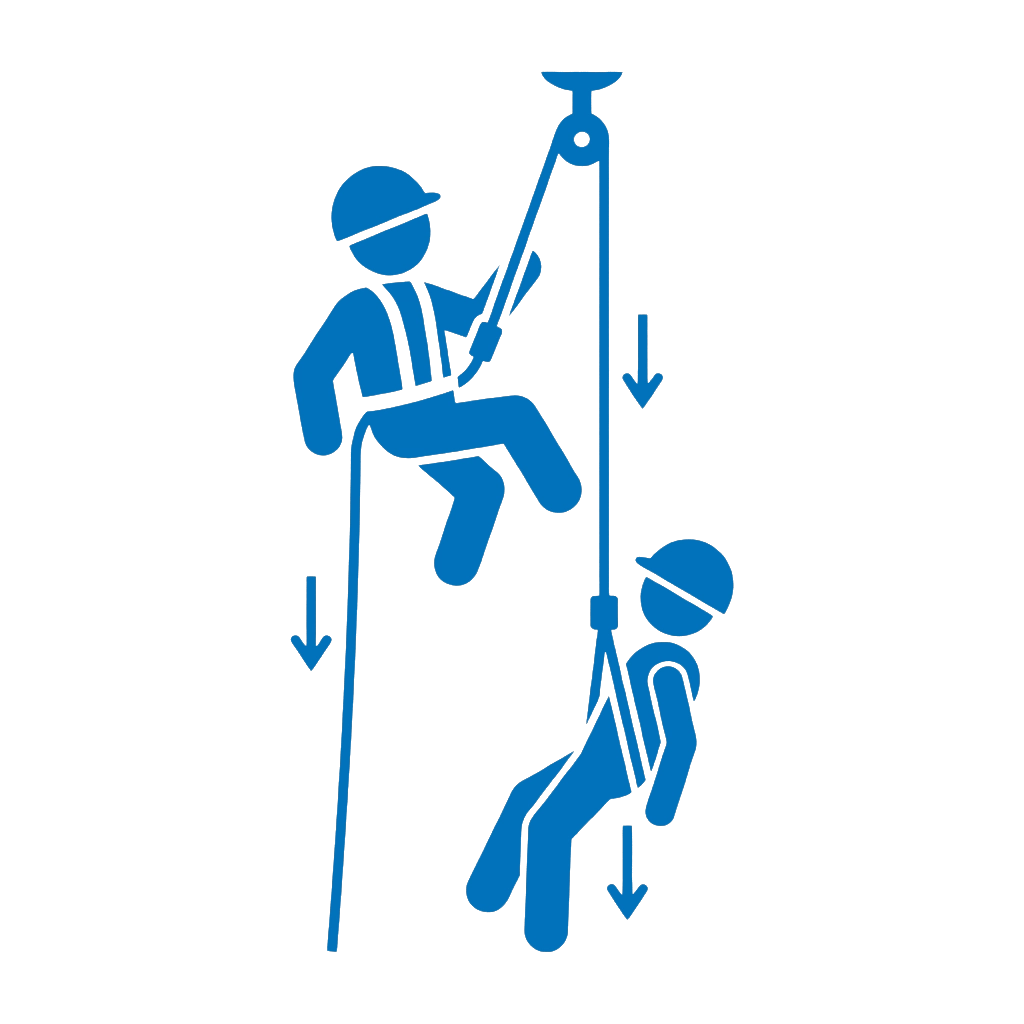
Lower-down rescue · Raise-up rescue · Suspended at height · Confined space extraction
Rigging systems
Lowering device · Hauling & raising system · Existing or rescue anchor · Controlled movement throughout
Casualty care
Spinal injury precautions · Suspension trauma management · Place of safety · Emergency services handover
What we do
The core rescue skill
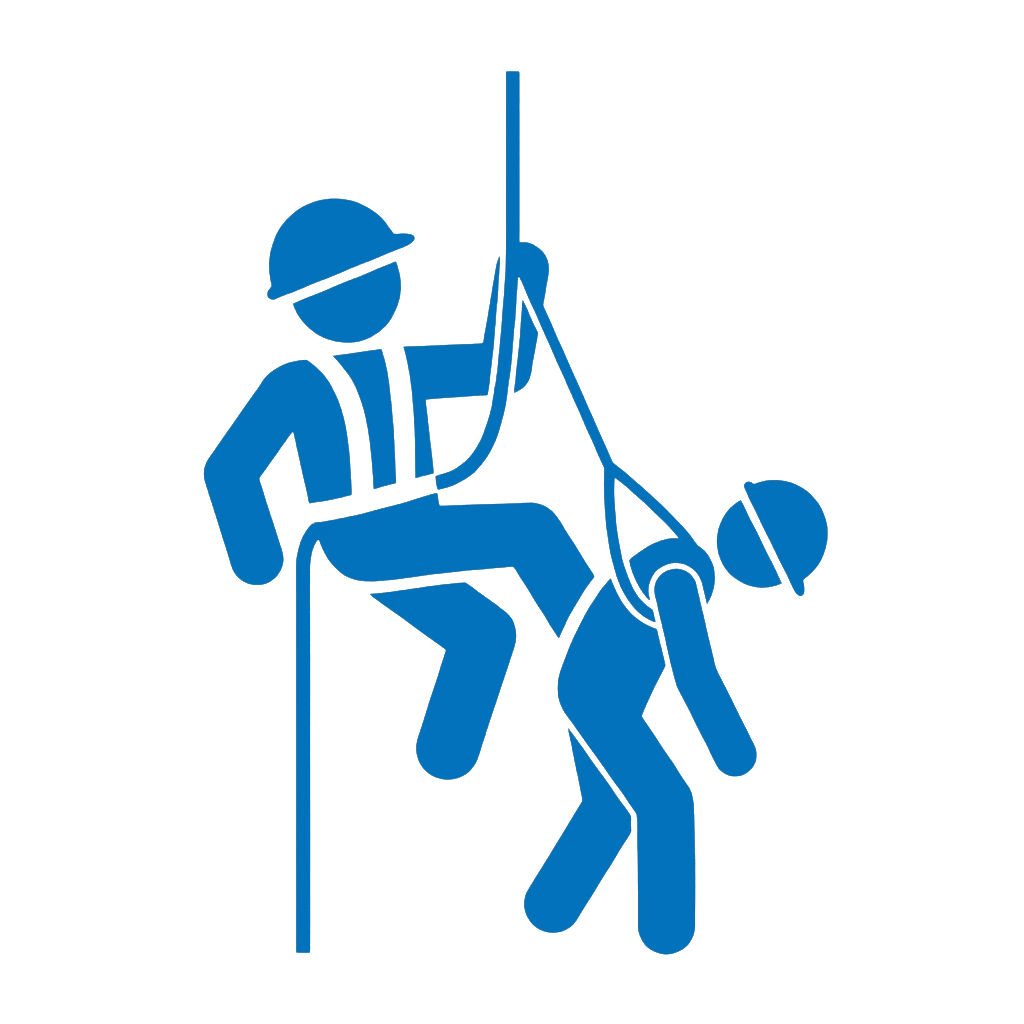
Rope-based casualty retrieval is the core technical skill of any rope access rescue. An incapacitated worker suspended in a harness at height, or unable to self-rescue from a confined space, must be moved to a safe position by the rescue team using rigging systems that control the movement of the casualty at all times.
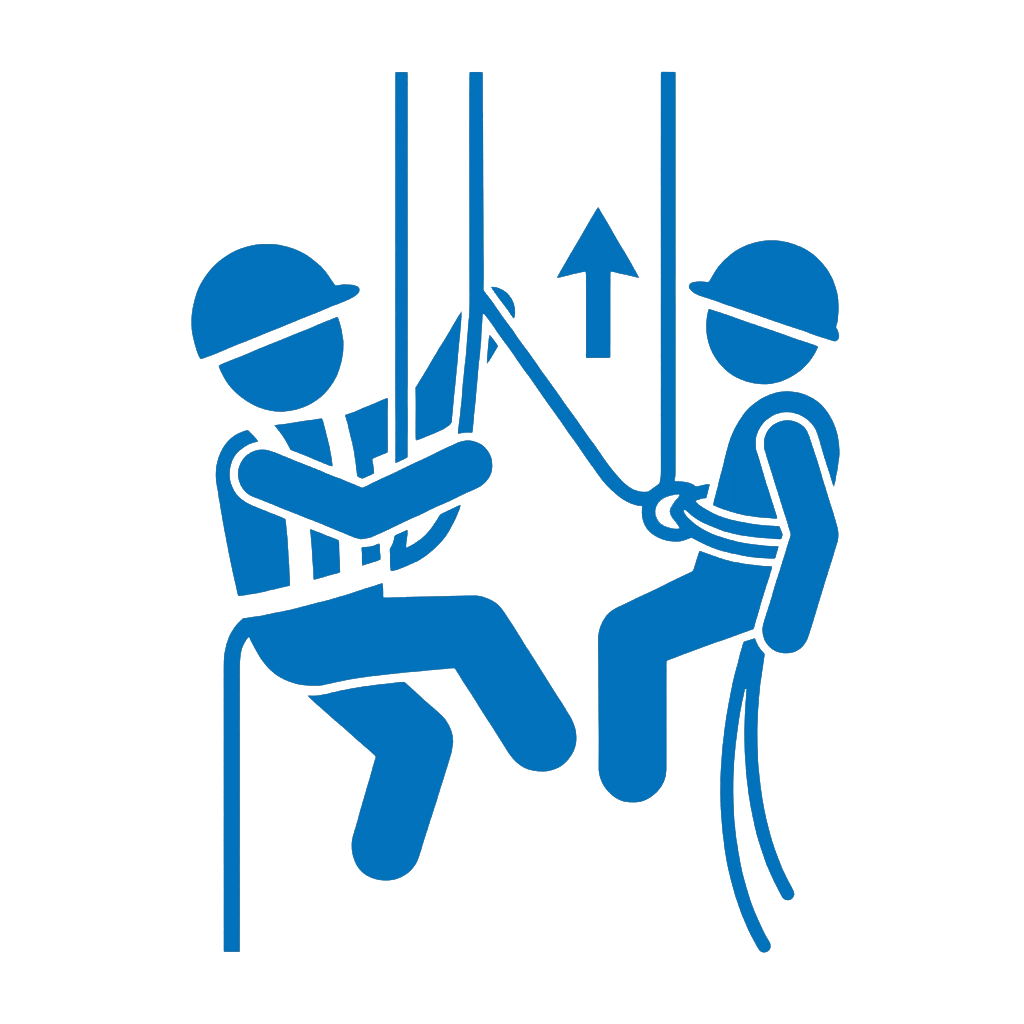
Raise-up rescue
Raise-up rescue involves hauling a casualty from a lower position. Typically a confined space, or a position below the level of the rescue team, up to the surface or to a working platform.
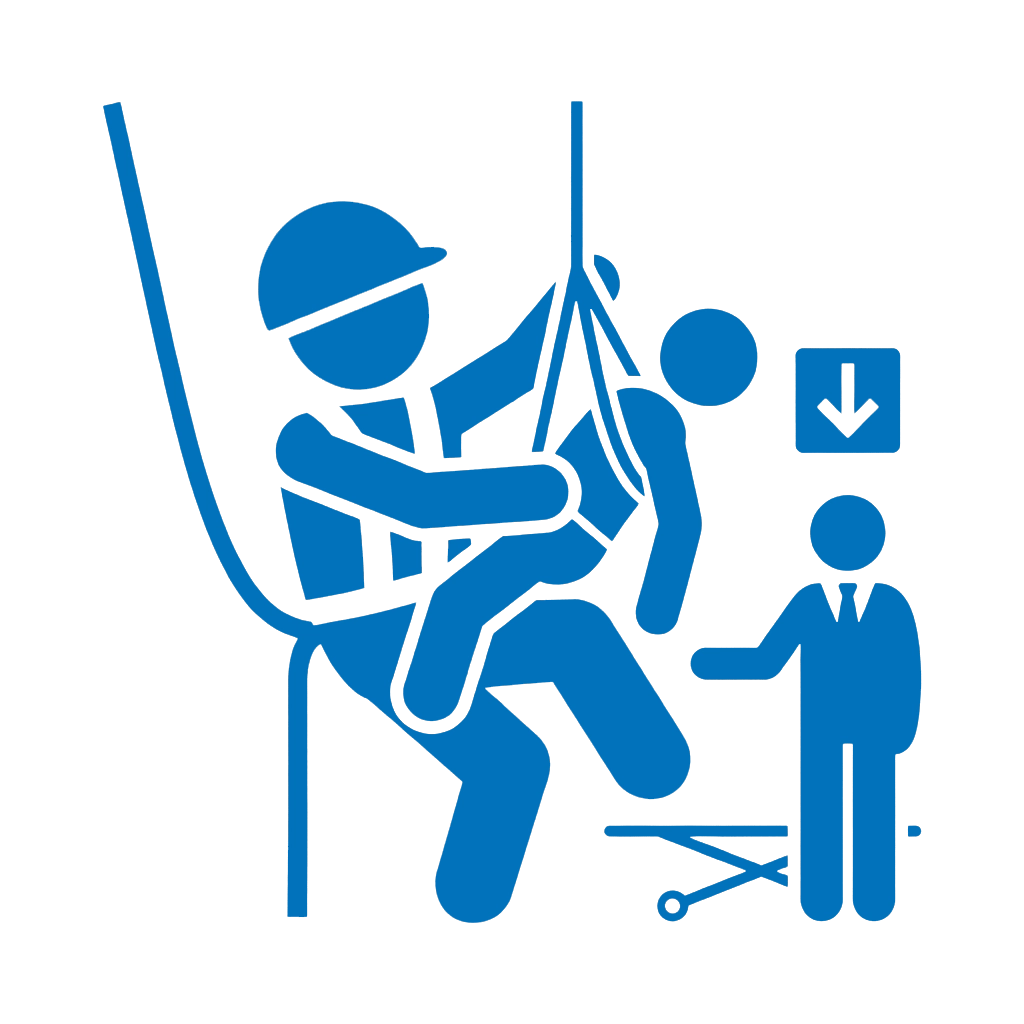
Casualty handling & handover
Retrieval demands particular attention to potential spinal injury, the management of suspension trauma the medical emergency that can affect an unconscious person suspended in a harness and a clean handover to emergency services at the point of extrication. Our rescue teams are trained in all of these considerations.
Why Think Access
Rope-based casualty retrieval requires practised teams, certified equipment and clear decision-making under pressure. Think Access trains and equips our rescue teams to operate effectively in exactly these conditions.
F.A.Q’s

Free survey
Let’s talk about how we can help you get more from your space. Reach out today to book your free site survey, we’ll take care of the rest.
Related Services
Glazing Services
High-level glass installation, replacement and repair — delivered without scaffolding via rope access.
View serviceEdge Protection
EPF-accredited temporary edge protection systems for rooftops, platforms and live construction sites.
View serviceInspection Services
Precision fault-finding and structural inspection at height — identifying issues early with minimal disruption.
View service