Steel Dismantling and Controlled Removal via Rope Access.
Think Access carries out safe dismantling and controlled removal of structural and secondary steel at height using IRATA rope access. We remove redundant, damaged or end-of-life steel components from complex structures without the need for cranes, scaffold or lengthy set-up periods.
Scope at a glance
Common dismantling scopes
Plant platforms & gantries · Crane runways · Damaged members · Comms masts · Refurbishment steel removal
Connection removal methods
Burning · Cropping · Unbolting · Guided lowering systems · Temporary support · Controlled sequencing
Stability & hot work safety
Structural engineer method statement · Hot work permits · Fire watch · Debris control · Below-area protection
What we do
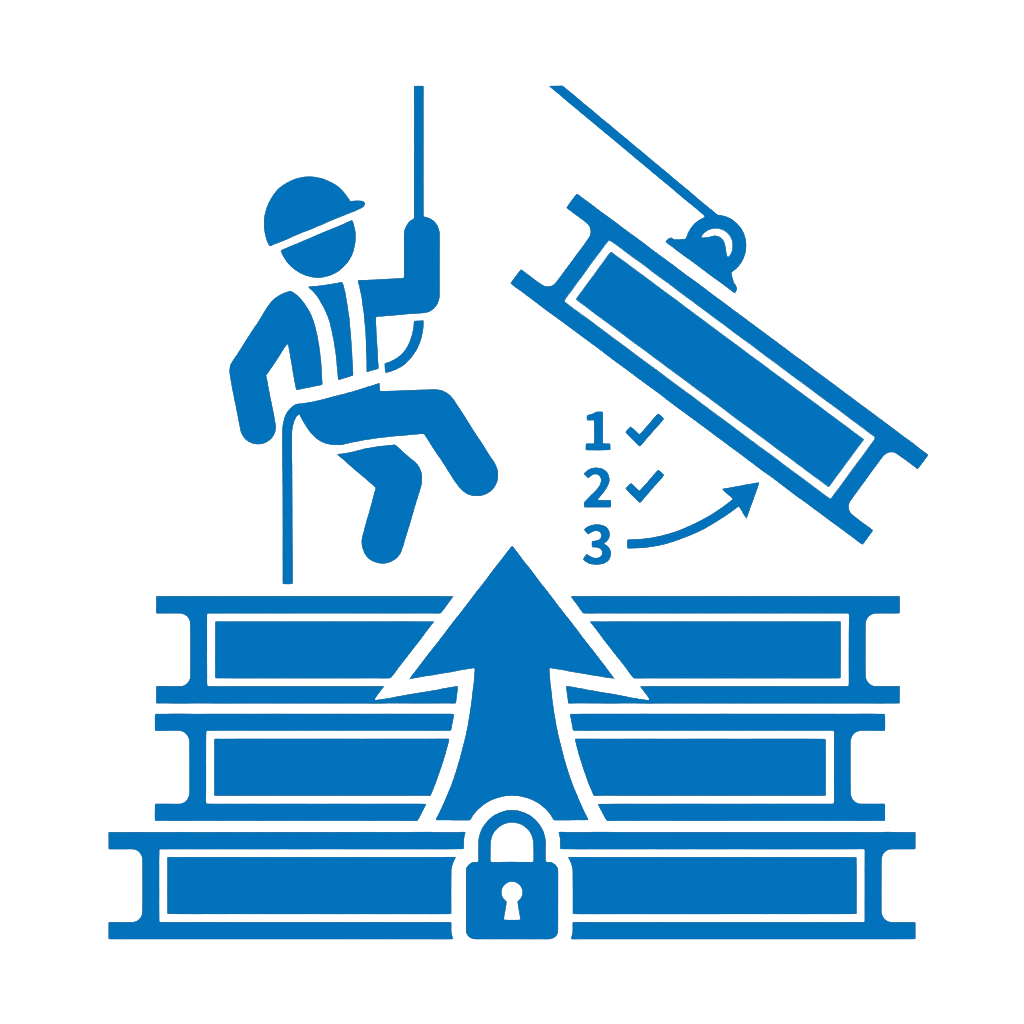
Sequenced dismantling for structural stability
Dismantling structural steel at height requires careful sequencing to maintain structural stability throughout the process. We work within a method statement agreed with the structural engineer, removing elements in the correct sequence, providing temporary support where required, and lowering components safely to ground level using guided lowering systems.
Common dismantling scopes
Common scopes include the removal of redundant plant platforms and access gantries, decommissioned overhead crane runways, damaged structural members requiring replacement, obsolete signage and communications masts, and steelwork being replaced as part of a refurbishment programme. Each scope is assessed individually to identify the correct removal sequence and support requirements before works begin.
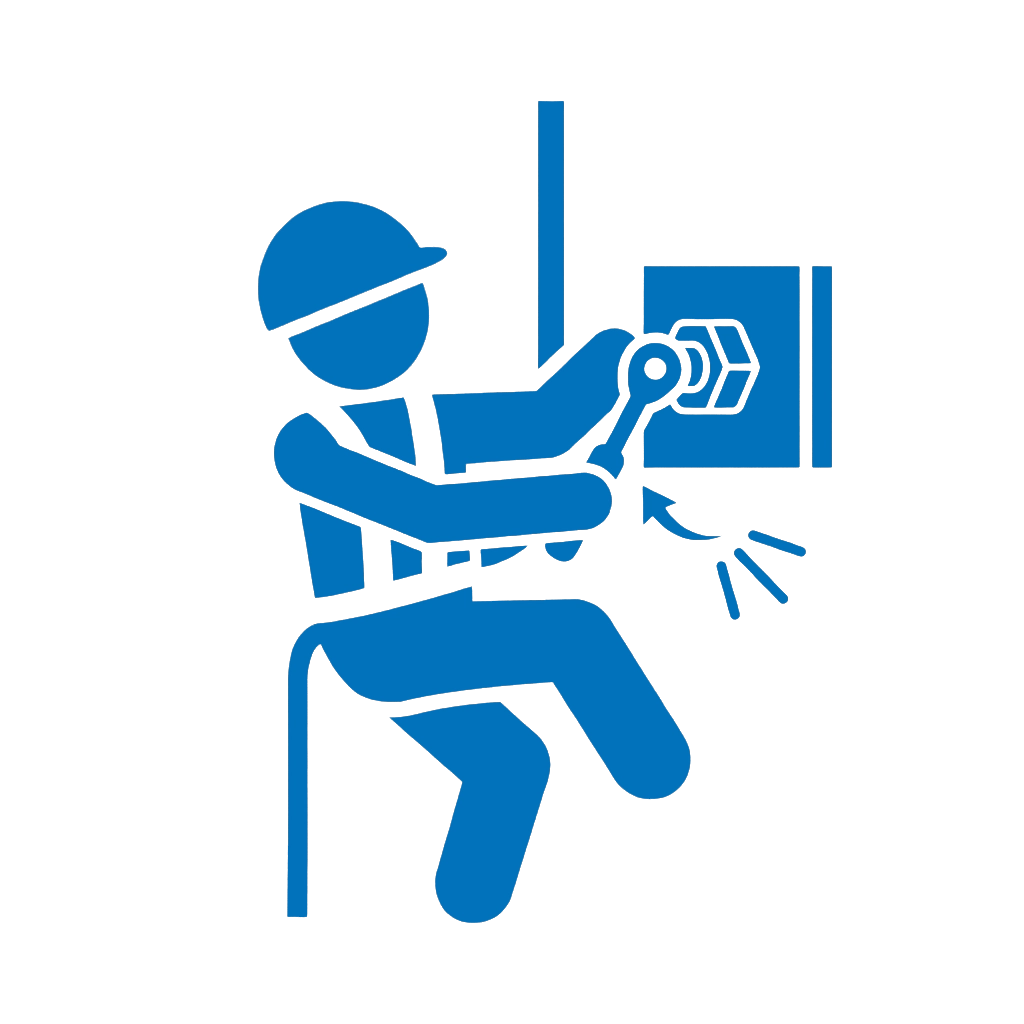
Connection removal at height
We carry out burning, cropping or unbolting of connections at height depending on the connection type and the structural situation. The appropriate method is agreed with the structural engineer in advance, and all works are carried out in accordance with the agreed method statement with temporary restraints in place before any connection is broken.
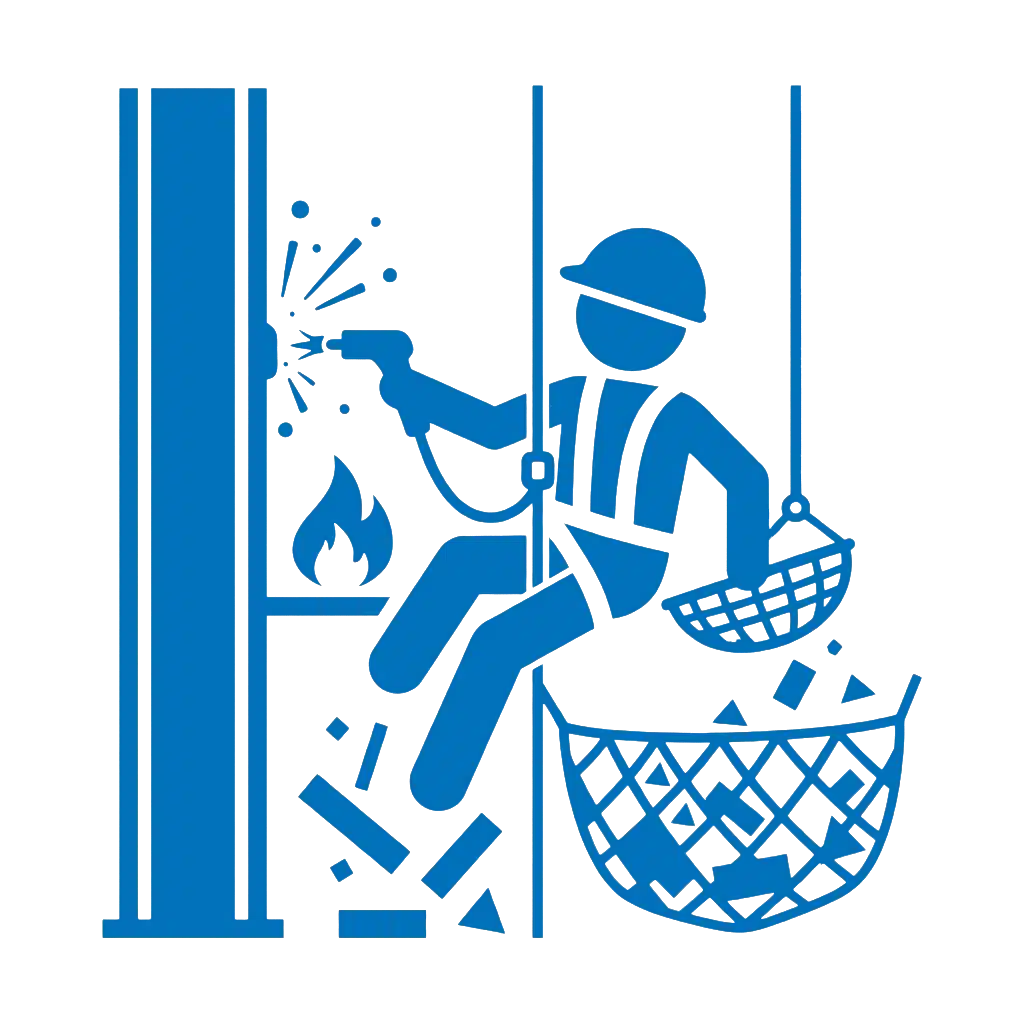
Hot work & debris management
Hot work during burning is carried out under formal permit with fire watch and appropriate suppression arrangements. Debris is controlled throughout to prevent falls or impact on areas below, with exclusion zones established at ground level and appropriate protection to plant, equipment and surfaces in the working area beneath.
Why Think Access
Controlled removal of steel at height avoids the cost and disruption of cranes and scaffold while delivering the same result. Think Access plans every removal operation carefully, ensuring structural stability is maintained and the work area is left clean and safe on completion.
F.A.Q’s

Free survey
Let’s talk about how we can help you get more from your space. Reach out today to book your free site survey, we’ll take care of the rest.
Related Services
Glazing Services
High-level glass installation, replacement and repair — delivered without scaffolding via rope access.
View serviceEdge Protection
EPF-accredited temporary edge protection systems for rooftops, platforms and live construction sites.
View serviceInspection Services
Precision fault-finding and structural inspection at height — identifying issues early with minimal disruption.
View service