Gutter and Downpipe Cleaning via Rope Access
Think Access carries out gutter and downpipe clearance on large commercial and industrial buildings using IRATA rope access. We restore full drainage capacity quickly, without the scaffold programmes that gutter cleaning at height would otherwise require.
Scope at a glance
Gutter types covered
Box gutters · Valley gutters · Parapet gutters · Eaves gutters · Large commercial roofs · Design capacity restored
Clearance methods
Manual clearance · Industrial vacuum · Water flushing · Downpipe rodding · All waste removed from site
Flow testing & reporting
Roofhead water application · Free passage confirmed · Underground blockages reported · Drainage investigation referral
What we do
Commercial gutter clearance
Commercial and industrial buildings with box gutters, valley gutters, parapet gutters and eaves gutters accumulate debris that causes blockages and overflow. On large roofs, the drainage capacity of even a partially blocked gutter can be significantly reduced, creating ponding and overflow that damages the building fabric. Regular clearance keeps systems running at design capacity and protects the building envelope from avoidable water damage.
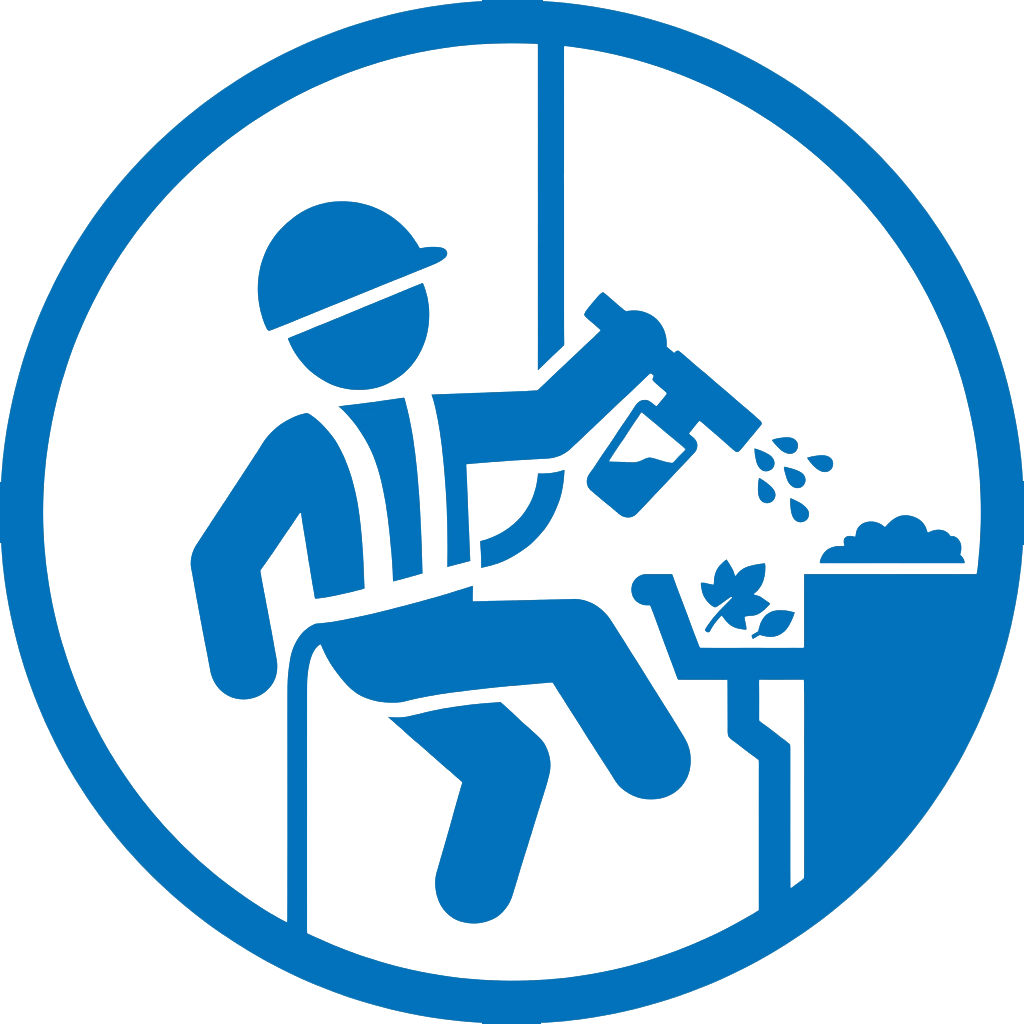
Clearance methods
We clear gutters manually, with industrial vacuum equipment or by flushing with water, depending on the nature and extent of the blockage. Leaves, silt, moss, bird debris and vegetation are removed completely, with all waste collected and removed from site. Downpipes are rodded or flushed to confirm clear passage to ground level as part of every clearance visit.
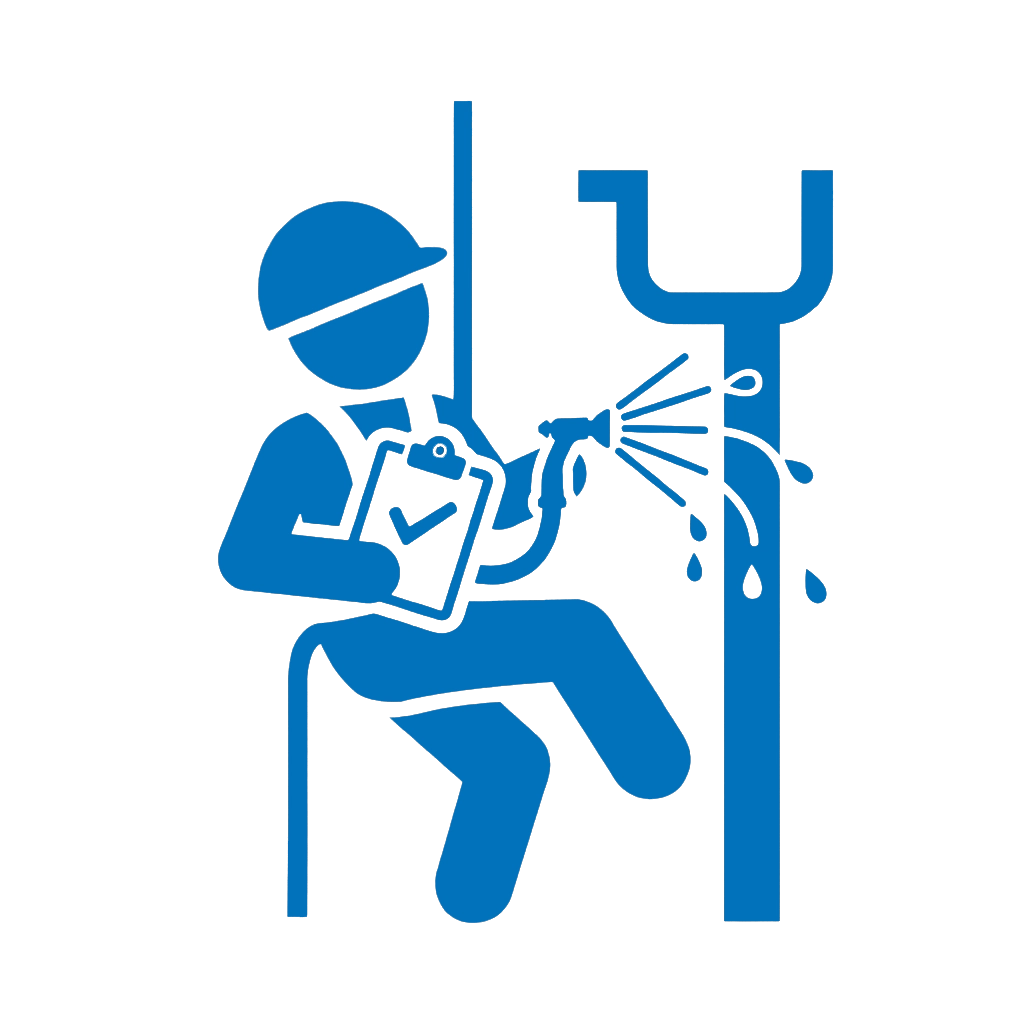
Flow testing on completion
Following clearance, we test flow by applying water at roofhead and confirming free passage through the full drainage system to ground level. This end-to-end test confirms that the clearance has been effective and that the system is running at the required capacity. Any persistent blockages in underground systems are reported for specialist drainage investigation.

Planned clearance programmes
For large commercial and industrial roofs, we establish planned clearance programmes on a frequency agreed with the building manager — typically quarterly or biannual for high-debris environments. Programmatic clearance is more cost-effective than reactive emergency clearance following a blockage event and reduces the risk of internal water damage, insurance claims and disruption to building operations.
Why Think Access
Blocked gutters on large roofs cause expensive damage quickly. Think Access clears them efficiently and provides the condition report you need to plan ongoing maintenance.
F.A.Q’s

Free survey
Let’s talk about how we can help you get more from your space. Reach out today to book your free site survey, we’ll take care of the rest.
Related Services
Glazing Services
High-level glass installation, replacement and repair — delivered without scaffolding via rope access.
View serviceEdge Protection
EPF-accredited temporary edge protection systems for rooftops, platforms and live construction sites.
View serviceInspection Services
Precision fault-finding and structural inspection at height — identifying issues early with minimal disruption.
View service